
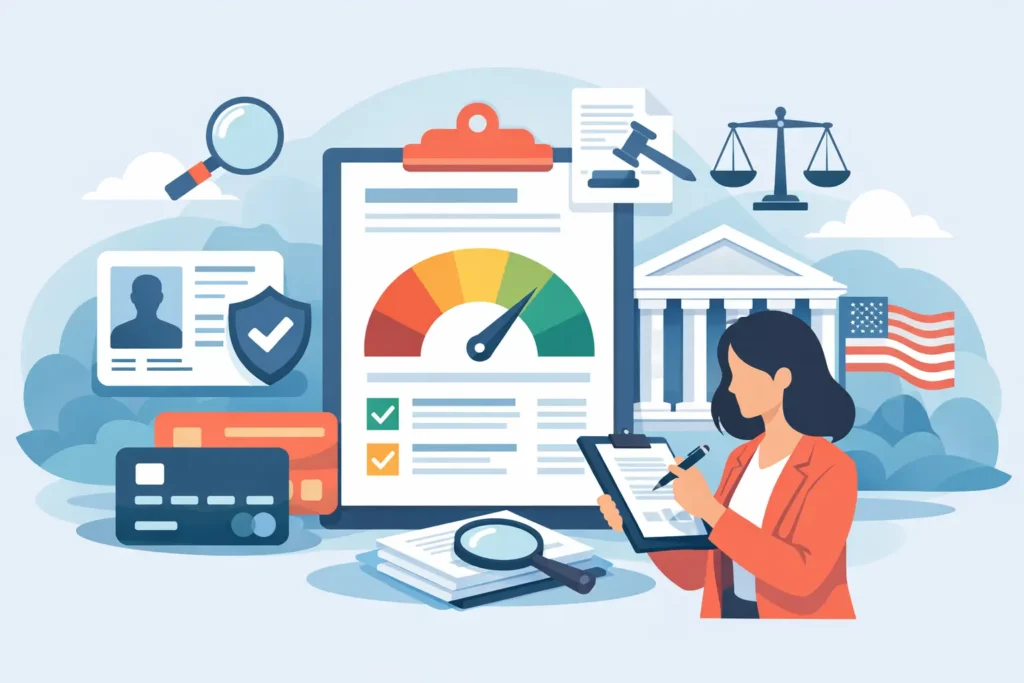
A mortgage lender says your score is too low. An auto dealer quotes a payment that feels impossible. Then you pull your credit report and find an old collection, a late payment you do not recognize, or an account that should have been closed years ago. This credit reporting rights guide explains what you can do next, what credit bureaus must do, and why waiting can cost you money.
You have the right to a credit report that is accurate, complete, and reported fairly. You also have the right to challenge information that does not belong on your file, cannot be verified, or is being reported incorrectly. The key is knowing the difference between a legitimate negative item and an error that deserves a dispute.
Your Basic Credit Reporting Rights
The Fair Credit Reporting Act, commonly called the FCRA, gives consumers important protections when it comes to credit reports. Equifax, Experian, and TransUnion collect and sell credit information, but they are not allowed to report anything they want without accountability.
You can request and review your credit reports. You are also entitled to a free report in certain situations, including when you are denied credit because of information in your file, believe you are a victim of identity theft, or are unemployed and planning to apply for work. Authorized sources also make free reports available to consumers on a regular basis.
Review all three bureaus whenever possible. A collection account may appear on one report and not the others. A late payment could be reported differently between bureaus. Since lenders may use one, two, or all three reports, checking only one can leave a damaging surprise undiscovered.
You also have the right to know when information in your report was used against you. If a lender, insurer, employer, or other company takes adverse action based on your credit, it must generally provide an adverse action notice. That notice identifies the credit bureau involved and tells you how to request a free copy of the report within the allowed time period.
What You Can Dispute on Your Credit Report
Not every negative item is an error. A real late payment, charge-off, repossession, or collection account may remain on a report for a period of time even after it is paid. Paying a legitimate debt can still be a smart financial move, but payment alone does not automatically remove accurate history.
What you can dispute is information that is inaccurate, incomplete, outdated, duplicated, fraudulent, or cannot be verified. Common examples include a collection that belongs to someone else, the wrong balance or payment status, an account listed more than once, a late payment reported when you paid on time, or an account that stayed on your report beyond the legal reporting period.
This is where consumers often get confused by promises of a “credit wipe.” There is no legal way to erase accurate negative credit history simply because it hurts your score. Real credit repair focuses on reviewing reports carefully, disputing questionable or inaccurate information, and improving the positive factors you control. Straight answers matter. Better Scores. Bigger Savings. But only when the work is built on accurate information and good credit habits.
Accuracy Is More Than a Name Match
A report can have your correct name and still contain serious errors. Look closely at account numbers, opening dates, balances, payment histories, credit limits, and account status. A small reporting mistake can affect your utilization, payment history, and lender decisions.
Pay special attention to collections and charge-offs. The balance may be wrong, the date of first delinquency may be inaccurate, or a collector may be reporting an account that has already been resolved. Also check hard inquiries. Inquiries you did not authorize may point to an application error or identity theft.
How to File a Strong Credit Report Dispute
A dispute works best when it is specific. Do not send a vague request saying, “Remove all negative accounts.” Identify the account, explain exactly what is wrong, and provide documents that support your position when available.
Start by saving copies of your credit reports and highlighting the items you question. Gather proof such as payment confirmations, account statements, settlement letters, correspondence from a creditor, police reports for identity theft, or documents showing the account is not yours.
You may dispute directly with the credit bureau reporting the item and with the company that supplied the information, known as the furnisher. Keep copies of every dispute, document, and response. A clear paper trail helps you follow up if the same error appears again.
Credit bureaus generally must investigate disputes within 30 days, although some situations can take longer. They usually contact the company that reported the information and review the response. When the investigation is finished, you have the right to receive the results and an updated report if a change was made.
If the bureau verifies the information but you still believe it is wrong, do not assume the matter is over. Review the result carefully. You can request details about the investigation, dispute with the furnisher directly, submit additional evidence, and add a brief statement to your report explaining your position. The right next step depends on the facts, the documents you have, and whether the item is truly inaccurate or simply negative.
Your Rights When Identity Theft Is Involved
Identity theft requires fast action. If accounts, inquiries, addresses, or collections appear that you did not create, place a fraud alert or security freeze on your credit file. A security freeze restricts access to your report, which can make it harder for someone to open new credit in your name. You can lift or remove it when you need to apply for credit.
You also have rights to dispute fraudulent accounts and, in qualifying cases, request that identity-theft-related information be blocked from your report. Keep records of your identity theft report, creditor communications, and dispute submissions. The faster you act, the easier it may be to prevent further damage.
Do not ignore unfamiliar information because it looks small. A single unauthorized inquiry can become a new account. An old address that is not yours can be a warning sign. Your credit report is not just a score report. It is part of your financial identity.
Protect Your Score While a Dispute Is Pending
Disputing errors is one side of credit improvement. The other side is managing the accounts you know are yours. Even a successful dispute may not create the score increase you want if high card balances, missed payments, or new debt continue to pressure your profile.
Make every payment on time. Payment history carries major weight, and a new late payment can hurt just when you are trying to qualify for a home loan or better auto financing. If money is tight, contact creditors before the due date instead of waiting for an account to fall behind.
Keep revolving balances low compared with your credit limits. Utilization can change quickly, which means paying down balances before a statement closes may help your reported ratio. There is no single perfect percentage for every person, but lower utilization is generally better than maxed-out cards.
Avoid opening multiple new accounts just to chase a score increase. New applications can add inquiries and lower the average age of your accounts. Sometimes a new account makes sense, especially when building thin credit, but it should fit your budget and long-term plan.
When Professional Help Makes Sense
Credit reports can be confusing when several bureaus report different details, collections have changed hands, or a mortgage deadline is approaching. A professional review can help you identify questionable reporting, separate valid negatives from possible errors, and build a practical plan around payments, balances, and account management.
Paralegal Credit Fix offers a free, no-obligation analysis to help consumers understand what is damaging their credit profile and what actions may make sense. The goal is not empty promises. It is clear information, accurate disputes where warranted, and a plan you can follow.
Do not wait until the week before you apply for a mortgage, refinance, car loan, or credit card. Pull your reports, read every line, and act on problems while you still have time. Your credit rights are most valuable when you use them before a lender makes the decision for you.