
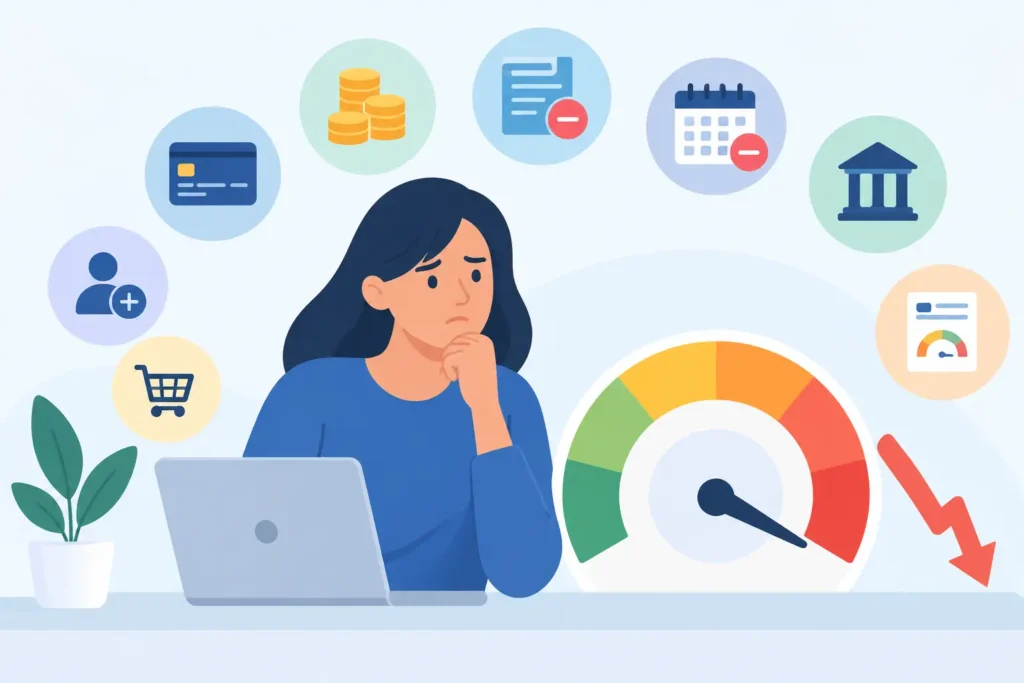
A score drop can feel personal, especially when you are preparing to buy a home, finance a car, or apply for a credit card. But a lower score is usually tied to a specific change on your credit report or in the information used to calculate it. If you are asking, why did my score drop, the answer is rarely a mystery once you know where to look.
The key is to act before a temporary issue becomes an expensive one. A few points may not change much. A larger drop, or a drop right before a mortgage application, can affect your approval, interest rate, and monthly payment.
Why Did My Score Drop? Check What Changed First
Credit scores are calculated from the information in your credit reports, but not every score uses the exact same formula. A score shown through a monitoring app can move differently than the score a mortgage lender or auto lender reviews. That does not mean the change is meaningless. It means you need to look at the underlying report, not just the number.
Pull your reports and compare the current version with the prior month if possible. Look for new balances, late payments, closed accounts, collections, inquiries, or account updates. Also check your personal information and account status carefully. A reporting error can hurt your score just as much as a real negative item until it is corrected.
1. Your Credit Card Balances Went Up
High credit card utilization is one of the most common reasons scores drop quickly. Utilization is the percentage of your available revolving credit that is currently being used. If a card has a $1,000 limit and reports a $700 balance, that card is at 70% utilization.
Even if you pay the balance in full after the statement closes, the balance reported to the credit bureaus may still be high. This is why consumers are often surprised after putting travel, repairs, medical expenses, or holiday purchases on a card.
For score purposes, lower is generally better. Keeping overall utilization below 30% is a useful starting point, while many strong credit profiles report much lower balances. You do not have to carry a balance to build credit. Paying before the statement closing date can help reduce the balance that gets reported.
2. A Payment Was Reported Late
One late payment can cause a noticeable score decrease, particularly if you previously had a clean payment history. The effect depends on how late the payment was reported, how recent it is, and the rest of your credit profile. A 30-day late payment is serious. A 60-day or 90-day late payment can be even more damaging.
Do not assume a payment made a few days after the due date was reported late. Creditors typically report a late payment once an account is at least 30 days past due. Still, late fees and interest can begin earlier, so contact the creditor immediately if you missed a due date.
If the late payment is inaccurate, review the account history and dispute it with supporting documentation. If it is accurate, bring the account current and protect every payment going forward. Time and consistent on-time payments matter.
3. An Old Account Was Closed
Closing a credit card can lower your available credit and push your utilization higher, even when you did not spend another dollar. For example, closing a card with a $5,000 limit can make the balances on your remaining cards look much larger compared with your total available limit.
A closed account can also change the age and mix of your active accounts. This does not mean every old card should stay open forever. A card with an annual fee, poor terms, or fraud concerns may not be worth keeping. But before closing an account, consider its credit limit, age, and effect on your utilization.
Sometimes the creditor closes an inactive account without warning. Review your reports regularly so you can catch these changes early.
4. A Collection, Charge-Off, or Other Negative Item Appeared
A new collection account, charge-off, repossession, foreclosure, or bankruptcy can result in a major score drop. These items signal serious repayment trouble to lenders, and they can affect your ability to qualify for favorable financing.
Collections deserve close attention because the amount, date, ownership, and payment status must be reported accurately. Medical bills, old utility accounts, insurance-related balances, and debts sold to third-party collectors can all appear unexpectedly. Do not ignore a collection simply because it is small. Review whether the account belongs to you, whether the details are correct, and whether the collector has reported it properly.
Paying a debt may be the right financial decision, but payment alone does not automatically remove every negative mark from a credit report. The best next step depends on the account type, reporting accuracy, age, and your larger credit goals.
5. You Applied for Several Accounts in a Short Period
When you apply for credit, the lender may place a hard inquiry on your report. A single inquiry usually has a limited impact. Several applications in a short time can create more concern, especially if your profile is already thin or damaged.
This is common when people are shopping for credit cards after a denial, trying to cover an emergency, or applying with multiple auto lenders. Rate shopping for a mortgage or auto loan may be treated differently by certain scoring models when applications are made within a focused period. Even so, avoid applying for credit you do not truly need.
A new account can also lower the average age of your accounts and may bring a high balance or missed payment risk. New credit is not automatically bad, but timing matters when you are preparing for a major loan.
6. Your Credit Limit Was Reduced
A creditor can reduce your available credit, even if you did not request it. If your balance stays the same while your limit drops, your utilization jumps. That can cause a score decrease overnight.
Watch for notices from card issuers about reduced limits or account changes. If a reduction appears incorrect or creates a hardship, call the creditor and ask whether the decision can be reviewed. Do not rely on a credit limit that you are not actively monitoring.
7. A Student Loan or Other Installment Loan Changed Status
Installment loans such as student loans, auto loans, and personal loans affect scores differently than credit cards. A score may move when a loan is paid off, transferred to a new servicer, enters deferment, becomes delinquent, or reports a new balance.
Paying off a loan is still a positive financial accomplishment. However, your score can temporarily change because you now have fewer active accounts or a different credit mix. Do not take on new debt just to force a score increase. Focus on manageable accounts, low revolving balances, and a clean payment record.
8. There Is Incorrect Information on Your Report
Errors happen. You may find an account that is not yours, a payment marked late when it was on time, a duplicate collection, an incorrect balance, or an account that should show as closed. Identity theft can also lead to unfamiliar accounts and inquiries.
Document what you find. Save statements, payment confirmations, account letters, and any communication with creditors or collectors. Then dispute inaccurate or questionable information through the proper process. Be specific about what is wrong and why. General complaints are less effective than a clear, documented challenge.
What to Do After a Credit Score Drop
Start with facts, not panic. Review all three credit reports because one bureau may show information that the others do not. Confirm every account, balance, payment status, and inquiry. Then make a short plan based on the cause of the drop.
If utilization is high, reduce reported balances. If a payment was missed, get current and set automatic reminders or autopay. If negative information is inaccurate or questionable, gather proof and challenge it. If your report has serious items such as collections, charge-offs, or repossessions, get a professional review before making moves that may not improve your position.
Paralegal Credit Fix offers a free, no-obligation credit report analysis to help consumers understand what is damaging their profile and what steps may make sense next. We keep it simple: know what is reporting, address what is questionable, and build better habits around the accounts you keep.
Your score is not a permanent label. It is a moving reflection of reported credit behavior. The sooner you identify the reason for the change, the sooner you can take control of the next one.