
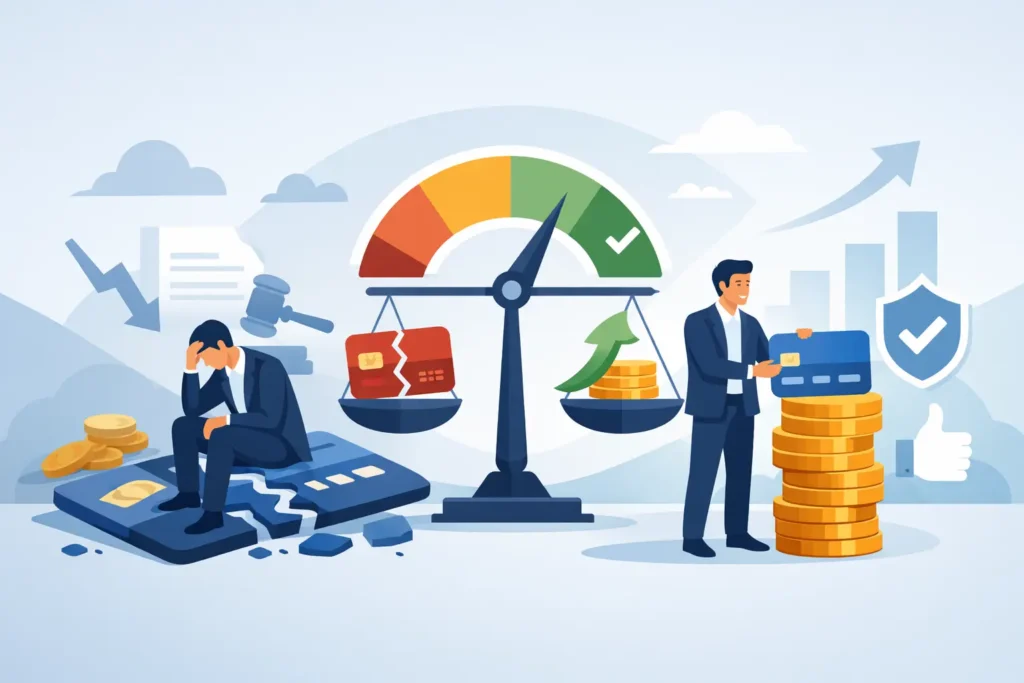
A bankruptcy filing can feel like a stop sign when you want to buy a home, finance a car, or simply qualify for a credit card without a punishing interest rate. But you can rebuild credit after bankruptcy, and the work starts sooner than many people realize. The key is not chasing a so-called credit wipe or opening accounts blindly. It is building a clean, accurate credit profile and showing lenders that your financial habits have changed.
Bankruptcy is a serious event, but it is not a permanent financial identity. Your next steps matter more than waiting for time to pass.
Start With the Credit Report, Not a Guess
Before applying for new credit, review what lenders can actually see. Pull your credit reports from all three major credit bureaus and compare the information carefully. A post-bankruptcy report can contain mistakes, especially when old accounts were sold, transferred, or reported by multiple companies.
Look closely at accounts included in the bankruptcy. Their balances should generally show zero, and their status should reflect that they were discharged or included in bankruptcy when that is accurate. A creditor should not continue reporting a discharged debt as currently past due or actively in collections. Duplicate collection accounts, incorrect late payments after the filing date, wrong balances, and accounts that do not belong to you also deserve attention.
Do not assume every negative item is automatically wrong because it hurts your score. Accurate information may remain on a credit report for a set period. A Chapter 7 bankruptcy can generally be reported for up to 10 years from the filing date, while a Chapter 13 bankruptcy can generally remain for up to 7 years. The practical goal is to challenge questionable or inaccurate reporting while improving the positive information being added now.
This is where credit repair and a “credit wipe” are very different. No legitimate service can simply erase accurate negative information on demand. Credit repair focuses on reviewing reports, identifying questionable entries, disputing inaccuracies, and helping you build healthier credit habits going forward.
Create a Payment System That Cannot Fail
Payment history has a major impact on your credit score. After bankruptcy, one new late payment can slow the progress you are trying to create. Make on-time payments your first non-negotiable financial rule.
Set up automatic payments for at least the minimum due on every open account. Then add calendar reminders a few days before each due date so you can confirm there is enough money in the account. If automatic payments do not work for your budget, pick one consistent day each week to review bills and upcoming due dates.
Paying only the minimum can be appropriate temporarily when money is tight, especially if it keeps an account current. Still, make a plan to pay more whenever possible. Carrying a large balance can raise utilization and increase interest costs, which makes it harder to move forward.
If you are behind on a bill that was not included in bankruptcy, contact the creditor before the account becomes more delinquent. Ask about a hardship plan, a due-date change, or a payment arrangement. Protecting a current account is usually easier and less expensive than repairing another late-payment history later.
Build New Credit Carefully After Bankruptcy
You need positive accounts reporting on time to establish a stronger post-bankruptcy profile. That does not mean you need several new cards at once. In fact, too many applications can create hard inquiries and leave you with more payments than your budget can safely handle.
A secured credit card is often a practical starting point. You provide a refundable security deposit, and the card issuer typically reports your payments to the credit bureaus. Use the card for one small recurring expense, such as a streaming bill or gas purchase, then pay the balance in full before the due date.
A credit-builder loan may also help some consumers, depending on the lender, fees, and reporting practices. Before signing up, ask whether the account reports to all three major credit bureaus and whether the monthly payment fits comfortably into your budget. An account that causes a late payment is not helping your rebuilding plan.
If a family member with excellent payment history is willing to add you as an authorized user, that may help in certain situations. But it depends on whether the card issuer reports authorized-user activity and whether the primary cardholder keeps low balances and pays on time. Do not rely on this strategy alone, and do not ask someone to take on debt for you.
Keep Credit Utilization Low
Credit utilization is the percentage of available revolving credit you are using. For example, if a card has a $500 limit and a $300 balance, utilization is 60%. High utilization can make a score look stressed even when you pay on time.
Aim to keep reported balances low, ideally below 30% of each card’s limit. Lower can be better, but the best target depends on your cash flow. The important point is to avoid regularly maxing out a card just because you plan to pay it off later.
Many card issuers report the balance around the statement closing date, not necessarily after your payment due date. If you use a secured card for regular expenses, make an extra payment before the statement closes. That can reduce the balance reported to the bureaus while still allowing the account to show activity.
Do not close a card simply because you paid it off unless there is a strong reason, such as an annual fee you cannot justify. Closing an account can reduce your available credit and raise utilization. A no-fee account used sparingly and paid on time can continue supporting your rebuilding efforts.
Be Strategic About Loans, Cars, and Homebuying
After bankruptcy, you may receive offers for auto loans, personal loans, and credit cards with high rates and expensive fees. Some offers are legitimate, but approval is not the same as affordability. Read the full terms before accepting anything.
For an auto loan, focus on the total cost, not only the monthly payment. A longer loan term can make the payment appear manageable while costing much more in interest. Avoid rolling old negative equity, add-on products, or unnecessary fees into a new loan if possible.
For future homebuyers, mortgage readiness is about more than a score. Lenders may review your payment history after bankruptcy, debt-to-income ratio, employment stability, savings, and the required waiting period for a particular loan program. A real estate agent may help you plan the purchase, but a mortgage professional can explain loan eligibility and timing based on your situation.
Do not apply for mortgage preapproval months before you are truly ready. First, stabilize your budget, correct report errors, keep card balances low, and avoid taking on new debt. When the time comes, you want your report to tell a consistent story: accounts paid on time, balances under control, and no avoidable surprises.
Review Progress Every Month
Credit rebuilding is not a one-time task. Check your account balances, payment status, and reported information each month. Watch for collection accounts that reappear, balances that are reported incorrectly, or changes you did not authorize.
You should also be cautious about closing accounts, applying for multiple cards, or co-signing for someone else while you are rebuilding. Each decision can affect your score and your budget. Simple habits usually work better than dramatic moves: pay on time, keep balances manageable, and correct information that is not accurate.
If you are unsure what is holding your score back, an experienced review can bring clarity. Paralegal Credit Fix offers a free, no-obligation credit report analysis to help consumers understand damaging items, positive factors, utilization, and practical next steps. We Keep it Simple, because rebuilding should not require guessing.
Your bankruptcy may remain visible for a while, but your next on-time payment is visible too. Start with one accurate report, one manageable account, and one reliable payment routine. Better credit is built month by month, and the best time to begin is before another financial goal has to wait.