
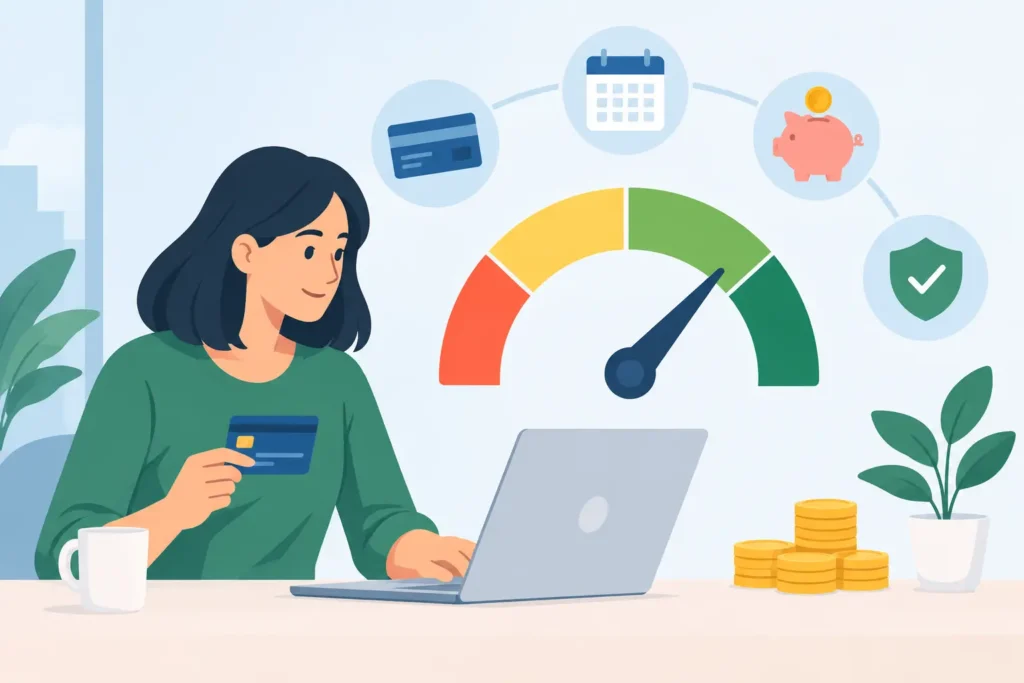
A lender cannot see the rent you paid on time for three years or the cash you saved for a down payment unless those habits appear in your credit file. To establish credit history, you need accounts that report to the major credit bureaus and a record of handling those accounts responsibly. That record can affect whether you qualify for a mortgage, auto loan, credit card, apartment, or lower interest rate.
The good news is that credit building does not require carrying a balance or taking on debt you cannot afford. It requires a smart starting point, consistent payments, and patience. Better Scores. Bigger Savings. But the foundation has to be built correctly.
What It Means to Establish Credit History
Your credit history is the track record created by accounts reported in your name. Creditors use it to see whether you borrow responsibly, pay as agreed, and avoid relying too heavily on available credit. A credit score is a number calculated from that history, but the report itself is where the story begins.
For someone with no credit file, the challenge is getting approved for the first account. For someone with limited credit, the challenge is adding positive history without making expensive mistakes. For someone with damaged credit, building new positive activity matters, but it does not make inaccurate negative reporting disappear automatically. Each situation calls for a different plan.
A lender generally looks at payment history, credit utilization, the age of accounts, the mix of account types, and recent applications for credit. You do not need to perfect every factor at once. Start with the factors you can control this month: on-time payments, low card balances, and fewer unnecessary applications.
Start With Your Credit Reports, Not a Guess
Before opening anything, review your credit reports. You may think you have no history, only to find an old collection, a student loan, an authorized-user account, or a reporting error. Those details can change the best next step.
Look for the names of creditors, account status, balances, payment history, dates, and hard inquiries. If an account does not belong to you, shows the wrong balance, or reports information that appears questionable, do not ignore it. Inaccurate information should be reviewed and disputed through the proper process. Credit repair is about challenging reporting that cannot be verified or is inaccurate. It is not a “credit wipe” that legally erases every legitimate debt or negative account overnight.
That distinction matters. Companies that promise a brand-new report regardless of the facts are selling a fantasy. Real credit improvement combines accurate report review with better account management going forward.
Choose a First Account That Reports
The fastest safe path is usually one manageable account that reports monthly to the major credit bureaus. A secured credit card is often a practical option. You provide a refundable security deposit, and the card issuer gives you a credit limit that is usually tied to that deposit. Use it for one small recurring expense, such as gas or a streaming bill, then pay the statement balance in full by the due date.
A credit-builder loan may also help, especially if you do not want a revolving card. With this type of loan, your payments are typically placed into a savings account or held until the loan term is complete. It can create installment-loan payment history, but it is not always the right first choice. Fees, interest, and the monthly payment need to fit your budget.
Be cautious with store cards, high-fee cards, and offers that sound too easy. Approval alone does not make an account helpful. Read the annual fee, interest rate, monthly maintenance charges, and reporting practices. If an account does not report to the major bureaus, it may not help you establish the history you need.
Becoming an authorized user on a trusted family member’s older, well-managed credit card can help some consumers, too. The primary cardholder must have a strong payment record and low balance, and the issuer must report authorized users. This strategy is not a substitute for opening an account in your own name, but it can add depth to a thin file. It also carries risk: if the primary user misses payments or runs up the balance, that negative activity may affect you as well.
Use Credit Without Letting It Use You
Getting a card is only the first step. How you use it determines whether it supports your goals. Credit utilization is the portion of your available revolving credit that is being used. If you have a $500 limit and report a $400 balance, your utilization is 80 percent. Even if you pay that balance after the statement closes, a high reported balance can make your score look worse in the meantime.
A practical target is to keep reported balances low, preferably below 30 percent of the limit and, when possible, much lower. This does not mean you need to avoid using your card. It means you should make a payment before the statement closing date if your balance has grown too high. Then pay the full statement balance by the due date to avoid interest.
Set up payment reminders or automatic payments for at least the minimum due. A single late payment can remain on a credit report for years and can cost far more than the original missed bill. Automatic payments work best when you still check your bank balance and card statement every month. Automation is helpful, but it is not permission to stop paying attention.
Do not carry a balance just to build credit. That is a costly myth. Paying in full shows responsible use and keeps interest from draining your budget. The goal is positive history, not permanent debt.
Avoid the Mistakes That Slow Down New Credit
When you are trying to establish credit history, urgency can lead to bad decisions. Applying for several cards in one week may result in multiple hard inquiries and denials. Opening more accounts than you can manage can lead to missed due dates, overspending, and stress. Start small and let your first account build history before adding another.
Closing your first card too quickly can also hurt, particularly if it is your only revolving account. If the card has no unreasonable fee, keeping it open with a small occasional purchase can help preserve available credit and account age. If the fees are high or the account no longer serves you, compare the cost with the benefit before deciding.
Also, do not confuse income with creditworthiness. A good income can help you pay bills, but lenders still need a reporting history to evaluate risk. On the other hand, a modest income does not prevent you from building credit if you choose an account with a payment you can reliably afford.
If Your Credit Is Limited and Damaged
Many people are not starting from zero. They have a thin credit file plus old late payments, collections, charge-offs, or high balances. In that case, opening a new secured card may be part of the solution, but it will not address every issue on the report.
First, make sure all current accounts are paid on time. Next, reduce revolving balances strategically, beginning with cards closest to their limits. Then review negative entries for accuracy, ownership, dates, and reporting details. Legitimate negative information may remain for a period of time, while inaccurate or unverified information deserves a closer look.
If you are preparing to buy a home or finance a vehicle, do not wait until the week you apply. Mortgage lenders and auto lenders may have different score models and underwriting standards. A collection, recent late payment, or high utilization level can affect the terms you receive even when your score seems acceptable. Early report review gives you more options and more time to act.
Paralegal Credit Fix helps consumers understand what is hurting their reports, what may be disputed, and which positive habits can support stronger scores. A clear review is often more valuable than guessing or paying for another account you do not need.
Give Positive History Time to Work
Credit building is not usually dramatic in the first 30 days. A new account needs time to report, age, and show a consistent pattern of responsible use. Check your reports regularly, watch your balances, and correct problems before they grow.
Your next financial opportunity may depend on the actions you take before you need financing. Open only what you can manage, pay every bill on time, and keep your balances under control. Start now, stay consistent, and let your credit history prove what you already know: you can handle credit responsibly.